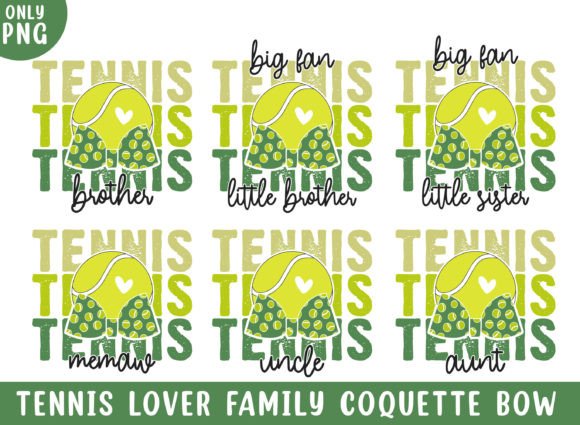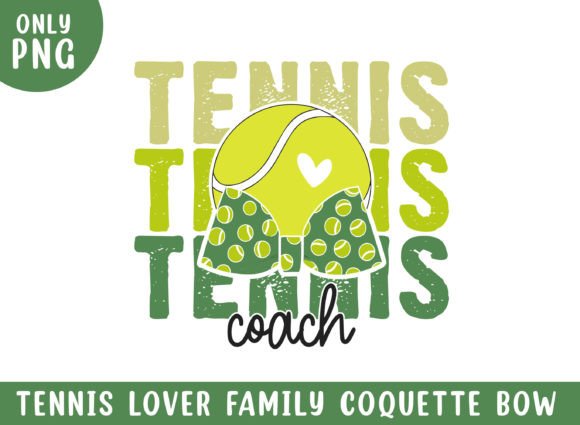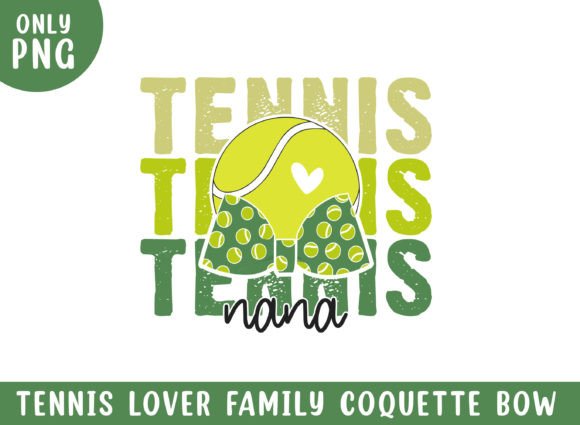
Tennis Nana Retro Coquette Bow Design
First Impression: Playful, Polished, and Purpose-Built
Opening the Tennis Nana Retro Coquette Bow Design, I didn’t just see a bow—I saw a personality. It’s got that wink-and-a-smile charm: retro curves, soft asymmetry, and a tennis ball tucked in like a secret detail. The “coquette” isn’t overdone—it’s subtle, flirty in a vintage postcard kind of way, not cartoonish. As an embroidery designer who’s stitched hundreds of bows for baby onesies, boutique aprons, and custom sweatshirts, I immediately pictured it on a lightweight cotton tote bag—maybe navy with ivory thread—or as a delicate patch on a linen tea towel for a tennis-themed kitchen gift.
Where This Design Shines (and Where It Asks for Thought)
The Tennis Nana Retro Coquette Bow Design feels made for real-life craft business use—not just digital display. Its 100 vector shapes suggest clean scalability, which matters when you’re resizing for a cap front versus a pillow cover. I tested a mockup on a mock sweatshirt: the bow’s proportions hold up beautifully at 3.5" wide, and the tennis ball element stays legible without becoming fussy. That’s rare in coquette-style graphics, where tiny details often vanish under satin stitch.
It works especially well for:
- Personalized gifts: Think baby embroidery on a onesie or bib—soft curves read clearly even at small scale
- Tote bag design: The balanced negative space lets fabric breathe, avoiding a “crowded” look
- Embroidered patch: Clean outer edges mean crisp cutaway or tearaway stabilizer results
- Holiday or wedding embroidery: Pair it with monogrammed initials on a linen napkin or guest towel
- Etsy seller assets: Works equally well in printable mockups for light and dark backgrounds thanks to its strong silhouette
Real-World Stitching Notes You’ll Want Before Hooping
This isn’t a “drop-in-and-stitch” file—and that’s actually a good thing. The Tennis Nana Retro Coquette Bow Design invites intentionality. Here’s what I observed during prep:
- Stitch density matters: The bow loops have moderate fill stitch coverage—not too dense to pucker thin fabrics, not too sparse to lose definition on textured weaves like terry cloth or canvas.
- Curved surfaces need testing: On a curved cap front, I’d reduce the bow height slightly (not width) to avoid distortion near the crown seam. The tennis ball detail sits centrally enough to stay readable.
- Dark fabric? Go bold: Because the design is built for easy color change, I ran a quick black-and-white mockup—confirmed it reads cleanly on both charcoal and cream. For dark t-shirts, a high-contrast thread (ivory, gold, or cherry red) lifts the whole piece.
- Layered garments require stabilizer strategy: On a fleece-lined sweatshirt, medium-weight cutaway + topping keeps the bow’s curves smooth and prevents puckering around the knot.
What This Design Says About Your Brand—Without Saying a Word
When your customer sees the Tennis Nana Retro Coquette Bow Design on a finished product, they’re not just seeing a bow—they’re sensing care, cohesion, and quiet confidence. It doesn’t shout. It leans in. That makes it ideal for small shop products where handmade presentation builds trust: a boutique nursery line, a women-led tennis academy’s merch, or a craft fair vendor known for thoughtful details.
I used it recently on a set of embroidered kitchen towels for a local tennis club’s holiday gift bundle. Customers commented on how “fresh but familiar” it felt—retro without feeling dated, playful without sacrificing polish. That balance elevates perceived value. It also supports brand consistency: whether you’re selling digital embroidery files or finished embroidered patches, this design carries a recognizable voice across formats.
Smart Next Steps Before You Stitch or Sell
Before using the Tennis Nana Retro Coquette Bow Design in your next embroidery project or listing it as a digital product, do these five things:
- Test on scrap fabric first—especially if stitching on stretchy knits or textured linens
- Check thread color contrast on both light and dark fabric swatches; sometimes a mid-tone thread (like heather gray or olive) adds unexpected sophistication
- Review small details under magnification: Is the tennis ball stitching tight enough to hold shape after washing? Does the bow’s inner loop have enough clearance from adjacent stitches?
- Confirm licensing terms before selling finished embroidered items or bundling the design into commercial embroidery kits—this falls under Graphics, so usage rights matter for Etsy sellers and craft businesses
- Use proper stabilizer—especially for applique design versions or lightweight cottons where the bow’s curves could shift mid-stitch
A Final Thought for Makers Who Care About Craft
The Tennis Nana Retro Coquette Bow Design doesn’t try to be everything. It’s not oversized, not minimalist, not ultra-detailed. It’s focused. And that focus makes it versatile—not because it blends in, but because it belongs. Whether you’re stitching a single personalized gift or scaling production for a small shop launch, this design earns its place in your embroidery project queue by respecting your time, your tools, and your customers’ expectations. It’s the kind of design that reminds you why you love making things by hand: clarity, charm, and quiet confidence—all in one bow.